What Happens During Fire and Smoke Damage Restoration in Fort Collins?
Discover how fire and smoke damage restoration works in Fort Collins, CO, from initial safety checks and soot removal to drying, cleanup, and recovery planning.
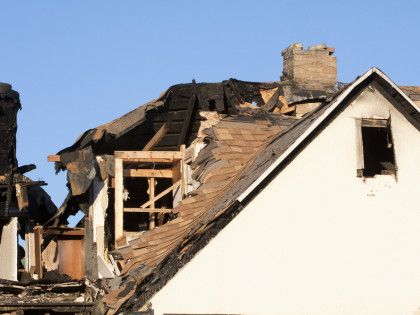
A fire can affect far more than the room where it started. Smoke may move through hallways and vents, soot can settle on surfaces, and water used to extinguish the fire can damage flooring and wall assemblies. For property owners in Fort Collins, Loveland, and Wellington, knowing what comes next can make the recovery process less confusing. Fire and smoke damage restoration typically involves a safety assessment, evaluating the extent of damage, cleaning or removing affected materials, managing moisture, and addressing lingering odors. The exact sequence depends on the property's condition and the hazards present.
When is it safe to return after a fire?
Do not enter the building until fire officials or other appropriate authorities say it is safe. A fire may weaken structural components, damage electrical wiring, and leave harmful residues. Even if the flames are out and there is no visible smoke, the building may still present hazards. Follow instructions from responders regarding utilities, access, and temporary accommodation.
If you need essentials from the property, ask about safe access instead of entering on your own. Avoid touching appliances, moving damaged furniture, or attempting to clean soot before the conditions are evaluated. The American Red Cross also advises discarding food, beverages, and medications exposed to heat, smoke, or soot. Document damage only from an area you are permitted to enter safely.
Why smoke damage can extend beyond the fire area
Smoke travels through openings and air pathways. Rooms without visible fire damage may still contain deposited residue, particularly on walls, ceilings, soft furnishings, and around ventilation registers. The materials burned and the conditions during the fire influence the nature of the residue. For that reason, cleaning methods that work for one surface may be inappropriate for another.
Soot can smear or become embedded if wiped with the wrong products or tools. Do not operate affected heating and cooling equipment until it has been assessed and cleared for use by an appropriate professional. A restoration assessment considers where smoke may have traveled and identifies materials that need cleaning, removal, or further evaluation.
What a fire restoration team evaluates
The first assessment helps determine which areas are affected by heat, smoke, soot, and firefighting water. The team may also identify conditions requiring a structural specialist, electrician, or another qualified trade. A plan can then be established to protect unaffected spaces and address the damage in a logical order.
Some belongings and surfaces may be candidates for cleaning, while others may have sustained irreversible damage. Material type, exposure, condition, and safety all influence these decisions. A restoration professional can discuss the options with the property owner before work proceeds. When insurance is involved, photographs and a clear scope of work can also support communication with the carrier.
How soot removal, drying, and odor treatment work together
A restoration project may involve specialized cleaning of surfaces, removal of unsalvageable materials, and air filtration as appropriate. If water was used during firefighting, moisture assessment and drying may be needed alongside the smoke cleanup. Treating only the visible soot could leave wet materials or concealed residues behind.
Odor mitigation focuses on the source of persistent smells. A fragrance may change what you notice temporarily, but it does not remove soot or damaged materials. Professional treatment is selected according to the affected surfaces and the conditions within the building. The area should be reassessed before reconstruction or refinishing proceeds.
Preparing for repairs and reoccupancy
The transition from mitigation to repairs depends on the extent of the loss. Electrical, structural, and other specialist inspections may be necessary before the property can be reoccupied. Ask which parts of the project are included in the restoration scope and which require separate contractors. That distinction can help you plan realistic timelines and avoid misunderstandings.
Keep a record of damaged belongings, emergency expenses, and conversations with your insurer. Before approving repairs, discuss whether additional cleanup, drying checks, or other assessments are needed. A well-documented recovery process can help the next contractor understand the condition of the property and what work has already been completed.
Frequently asked questions
Can smoke damage occur without flames in a room?
Yes. Smoke can move into adjoining areas and deposit residues even where the fire itself did not reach.
Does smoke odor go away on its own?
Some odors may diminish, but persistent smells can remain when residues or damaged materials are still present. Source assessment is important.
Is water damage common after a fire?
It can occur when firefighters use water or suppression systems activate. A restoration plan may need to address both moisture and smoke-related damage.