Asbestos Before Renovation: What Boulder Homeowners Need to Know
Planning a renovation in Boulder, CO? Learn when asbestos inspection and professional abatement may be needed before disturbing older building materials.
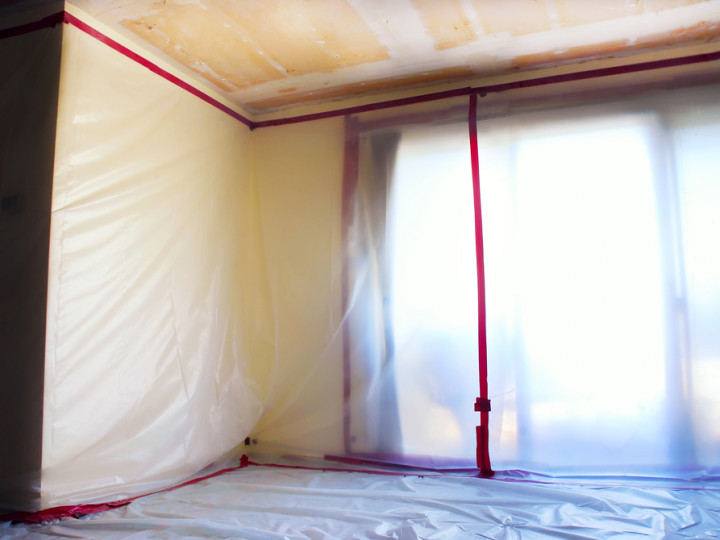
Updating an older home in Boulder, Louisville, or Lafayette can be an exciting project, but some building materials require special attention before demolition begins. Asbestos may be present in certain flooring, insulation, ceiling finishes, and other products. Disturbing asbestos-containing materials can release hazardous fibers into the air. Before renovation, the safest approach is to have suspect materials evaluated by a qualified asbestos professional and determine whether inspection or abatement is required for your project. Age and appearance alone cannot establish whether a material contains asbestos.
Which building materials may contain asbestos?
Asbestos was used in a variety of construction products because of its durability and resistance to heat. Some older floor tiles and adhesives, pipe insulation, textured ceilings, and other building components may contain it. Materials that look ordinary can still be suspect, and not every product of a particular type contains asbestos.
A previous renovation can make identification more complicated. New flooring may cover an older layer, for example, or a finished wall may conceal original insulation. Instead of assuming that a recently remodeled room is free of suspect materials, tell the inspector about the building's age and any known changes. Do not lift flooring or open walls to investigate on your own.
Does asbestos always have to be removed?
No. The presence of asbestos does not automatically mean removal is the best option. The U.S. Environmental Protection Agency advises leaving undamaged asbestos-containing material alone when it will not be disturbed. A trained professional can help evaluate whether management in place, repair, or removal is suitable based on the condition and proposed work.
A renovation can change that decision if it involves cutting, sanding, removing, or otherwise disturbing suspect material. This is why a project that seems as straightforward as replacing a floor may need an evaluation before the contractor starts. Water damage or other deterioration can also change the condition of previously intact materials.
What is the difference between inspection and abatement?
An inspection identifies suspect materials and determines whether sampling and laboratory analysis are needed. Sampling should be performed by a properly qualified professional. The resulting findings can help establish whether asbestos is present and what precautions are appropriate. Ask for the inspection findings in writing so they can be shared with the people planning the renovation.
Abatement addresses asbestos-containing materials through an appropriate professional approach. Depending on the scope, it may include isolation of the work area, specialized controls, removal, waste handling, and required verification. The inspection and abatement roles should be coordinated with attention to applicable Colorado requirements and the independence of any required clearance assessment.
How do Colorado requirements affect your project?
Colorado regulates asbestos-related renovation and demolition activities. The applicable requirements can vary by the type of building, project scope, material, and other circumstances. Local permitting requirements may apply in addition to state rules. Boulder County, for instance, provides specific guidance for asbestos inspections and demolition permitting.
Before work begins, verify requirements with the Colorado Department of Public Health and Environment and the local building authority. Ask the professionals involved which inspections, notifications, permits, and clearance steps are applicable. Avoid relying on an informal assumption that a residential project is automatically exempt. Planning these steps early can help prevent unexpected interruptions.
What to do if suspect material is discovered mid-project
Stop work in the affected area and keep people away. Do not sweep, vacuum, collect samples, or continue removing the material. Inform the contractor about what was found and arrange for an asbestos professional to evaluate the situation. If the material has already been disturbed, explain what work took place so the assessment can account for possible contamination.
When planning the next stage, ask how the area will be protected, how the proposed work will be documented, and what conditions must be met before other contractors return. Do not restart demolition until the appropriate professional guidance and applicable requirements have been addressed.
Frequently asked questions
Can I identify asbestos by looking at a floor tile?
No. Appearance is not a reliable way to establish asbestos content. A qualified inspector can determine whether laboratory analysis is needed.
Should I collect a sample myself?
No. Sampling can disturb suspect material and release fibers. Arrange for a properly qualified asbestos professional to handle it.
Can asbestos abatement be part of water damage recovery?
Yes. If water-damaged materials contain or may contain asbestos, the restoration scope may need to incorporate an asbestos evaluation and appropriate abatement measures.