Hidden Mold in Your Home: Signs Windsor Homeowners Should Know
Learn the signs of hidden mold in Windsor, CO homes, why moisture matters, and when professional mold remediation can help protect your property from damage.
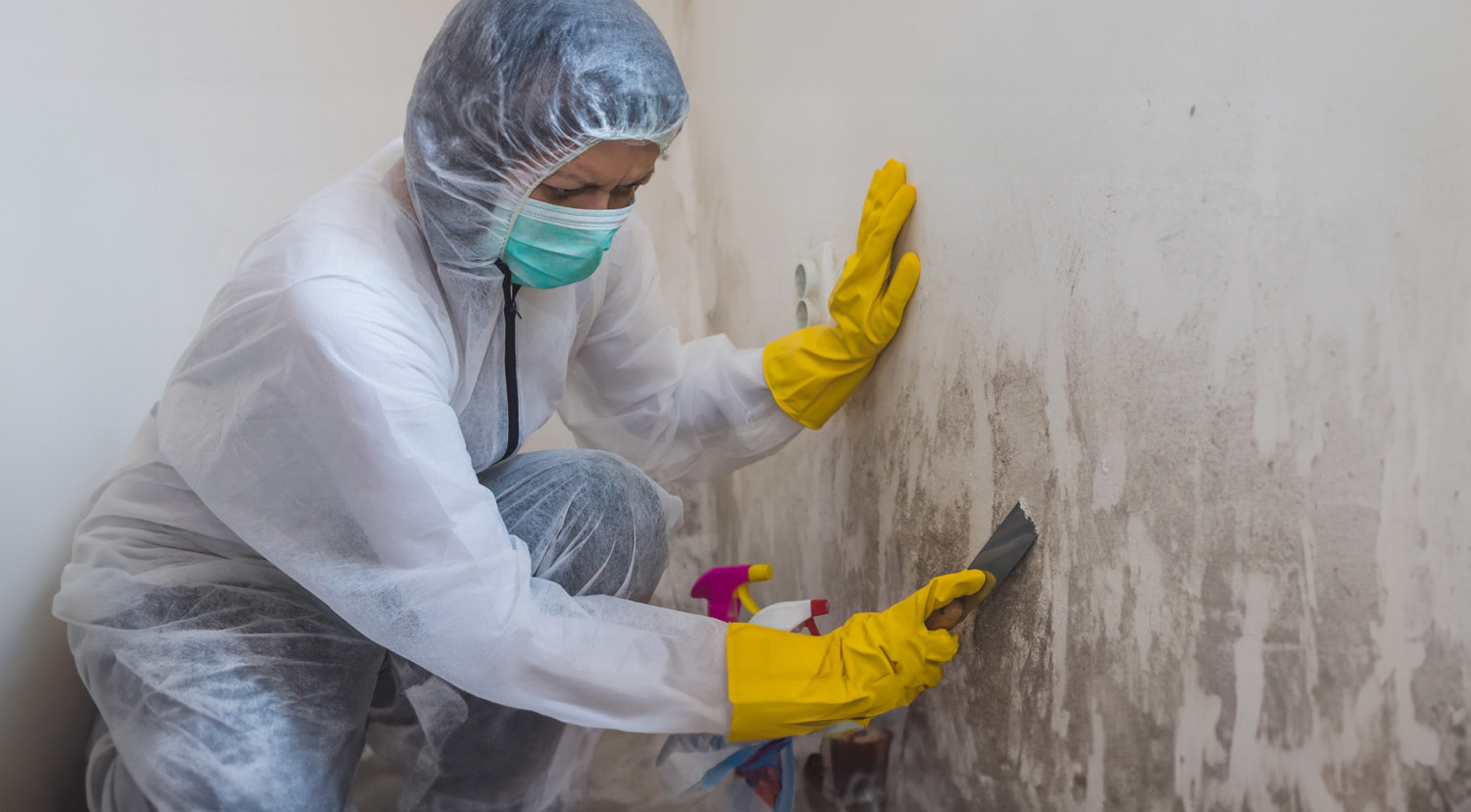
Mold is not always visible from the center of a room. It can develop behind cabinetry, under flooring, or in a crawl space where moisture goes unnoticed. For homeowners in Windsor, Severance, and neighboring Northern Colorado communities, a dry outdoor climate does not mean that indoor moisture problems are impossible. Leaking pipes, condensation, and past water damage can all create conditions that support growth. Common signs of hidden mold include a recurring musty odor, unexplained discoloration, damp building materials, or signs of a previous leak. These clues do not prove mold is present, but they can justify a closer assessment.
Where does hidden mold tend to develop?
Look at the history of moisture in the building. A bathroom with poor ventilation, a cabinet under a leaking sink, or a crawl space with persistent dampness may be more vulnerable than a room without a water source. A slow leak behind a washing machine or refrigerator can also affect nearby walls and flooring without creating a large puddle.
Mold can grow on a range of materials when moisture is available. Paper-faced drywall, wood, dust, and other organic materials can provide suitable conditions. In some situations the source is a past incident that was never fully dried. Knowing when a roof leak, appliance failure, or plumbing repair happened can help narrow down the areas a professional should inspect.
Five clues that deserve attention
A musty smell that returns after a room has been aired out may indicate an underlying moisture issue. Staining near ceilings or baseboards, peeling paint, and swollen trim can also point toward water exposure. Watch for flooring that changes shape or becomes soft, and check whether an odor is strongest near a specific cabinet or vent.
These clues can have other explanations, so avoid diagnosing mold based on appearance or smell alone. Do not cut into a wall, peel back flooring, or scrape a suspicious patch to investigate. Disturbing affected materials can spread dust or contaminants and may introduce other hazards, particularly in older homes. A professional assessment can establish what should be examined and how.
Why correcting the moisture source matters
Mold remediation is not simply cleaning a surface. If the underlying leak or humidity issue persists, growth can recur even after affected materials have been treated or replaced. A plumber may need to repair a pipe, a roofer may need to correct a leak, or a ventilation specialist may need to address condensation. The right trade depends on the cause.
After the moisture source is identified, the restoration team can evaluate how much of the surrounding structure is affected. Moisture readings, visual observations, and the history of the incident help guide the scope. Testing may be appropriate in certain circumstances, but it is not automatically necessary for every visible mold problem. The assessment should support practical decisions about remediation.
What happens during professional mold remediation?
Depending on the extent and location of the growth, professionals may isolate the affected area, use suitable filtration, remove materials that cannot be adequately cleaned, and treat salvageable surfaces. The specific approach depends on the material and the contamination. A small, accessible problem is different from extensive growth in a wall assembly or a contaminated ventilation system.
The Environmental Protection Agency recommends consulting its larger-scale remediation guidance when growth exceeds roughly 10 square feet or significant water damage is involved. Professional help is also appropriate when sewage, hidden contamination, or other complications are suspected. Individuals with health concerns should seek advice from a medical professional rather than using the condition of the building to diagnose symptoms.
How can homeowners reduce future mold problems?
Respond quickly to leaks, use appropriate ventilation in kitchens and bathrooms, and periodically inspect areas around plumbing fixtures. Pay attention to condensation on windows and pipes, particularly as temperatures change. If water has entered a crawl space, evaluate the drainage and moisture conditions rather than relying on fragrance or a portable fan to solve the issue.
After any significant water loss, ask how the affected materials will be checked for dryness. Keep records of repairs and inspections so that future changes are easier to identify. Prevention is most effective when moisture sources are corrected early and building materials are allowed to dry appropriately.
Frequently asked questions
Does black-colored mold mean it is more dangerous?
Color alone cannot determine mold type or the level of risk. Focus on addressing moisture and obtaining an appropriate assessment of the affected area.
Can painting over mold solve the problem?
No. Paint does not correct the moisture source or remove contamination. Affected materials should be properly evaluated and remediated before refinishing.
Is mold remediation available in Windsor?
Yes. CARE Restoration serves Windsor, Severance, and surrounding communities with mold remediation services.