How to Prevent Frozen Pipe Water Damage in Loveland, CO
Prepare your Loveland, CO home for freezing temperatures. Learn how to reduce frozen pipe risks, recognize a burst pipe, and respond to winter water damage.
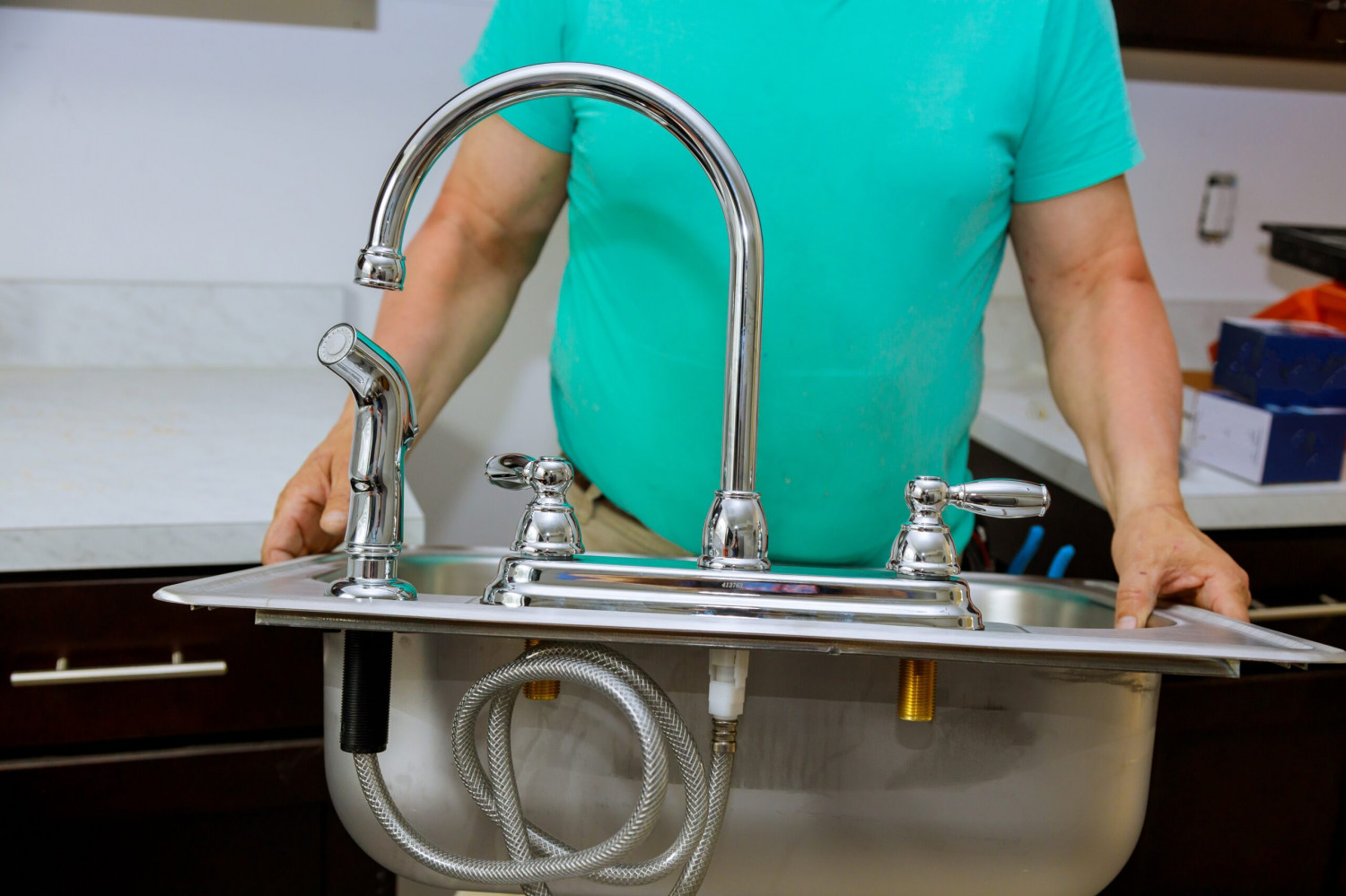
The first stretches of freezing weather can put vulnerable plumbing at risk in Loveland, Berthoud, and Johnstown. A pipe running through a poorly insulated space can freeze, and pressure within the plumbing can contribute to a rupture. In some cases, the damage only becomes obvious when temperatures rise and water begins flowing again. To reduce the risk of frozen pipe water damage, protect exposed plumbing, keep the building adequately heated, and know how to shut off the water supply. If a pipe bursts, stop the water only when safe, arrange for plumbing repair, and have affected building materials professionally evaluated.
Which pipes are most vulnerable during winter?
Pipes near exterior walls, in unheated garages, or in inadequately protected crawl spaces can be more exposed to cold conditions. Outdoor hose connections and water lines in unused portions of a building also deserve attention. A space that feels comfortable in mild weather may become much colder when outdoor temperatures drop or strong winds increase heat loss.
If you are unsure where the plumbing runs, a qualified plumber can help identify vulnerable sections. This is particularly helpful in a home that has undergone additions or renovations, where pipes may pass through areas with different insulation conditions. Check for past freeze incidents, since a previous problem may indicate a location that needs further protection.
How can you prepare your home before a freeze?
Disconnect garden hoses and follow the appropriate winterization procedures for exterior plumbing. Have vulnerable water lines insulated or otherwise protected as recommended by a plumber. Keep garage doors closed when water supply lines are present, and address drafts near plumbing without blocking required ventilation.
The American Red Cross recommends maintaining adequate indoor heat and taking extra precautions during very cold weather, including allowing warmer indoor air to reach vulnerable pipes where appropriate. If you are leaving for a trip, arrange for someone to check the property or ask a plumber about suitable winterization. Make sure household members know where the main water shutoff is and can reach it without entering an unsafe area.
How do you recognize a frozen or burst pipe?
Unusually low water flow or no flow from a faucet during freezing weather may indicate a frozen line. A visible bulge, unexpected water sounds, or dampness around walls and flooring may suggest damage, but a frozen pipe may not leak immediately. Treat unexplained changes in water flow seriously, particularly if the property has been exposed to prolonged cold.
If you suspect frozen plumbing, contact a qualified plumber for guidance. Never use an open flame to thaw a pipe. If water begins leaking, shut off the supply from a safe, dry location if possible. Do not enter standing water where there could be an electrical hazard. If the situation is unsafe, leave and seek appropriate emergency assistance.
Why a repaired pipe does not mean the property is dry
A plumbing repair stops the source of a leak, but water may already have reached insulation, cabinets, drywall, or flooring. A leak inside an exterior wall can affect a larger area than the stain you see. In a multi-level building, water can travel through openings and damage rooms below the original leak.
Professional water mitigation addresses the affected building materials. Technicians can evaluate moisture levels, extract standing water where appropriate, and establish a drying plan based on the materials involved. Monitoring helps determine whether further drying or removal is necessary. Waiting for visible surfaces to look dry can leave concealed moisture unaddressed.
What if a pipe bursts while you are away?
Ask the person checking your property to contact you immediately if they notice water, unusual sounds, or a significant temperature drop. They should not enter unsafe areas or attempt electrical work. Once the situation is safe, arrange for a plumber to correct the source and a restoration team to assess the affected rooms.
Take photographs when safe, keep records of emergency services, and contact your insurance company to discuss coverage. A vacant or unattended property may be subject to specific policy conditions, so ask your insurer rather than assuming coverage. If the timing of the leak is unknown, tell the restoration team so it can account for potentially prolonged moisture exposure.
Frequently asked questions
Can a frozen pipe burst even if there is no visible ice?
Yes. Pipes can freeze inside walls or other concealed spaces. Lack of visible ice does not rule out freezing or damage.
Should I call a plumber or a restoration company?
A plumber addresses the damaged pipe. A water mitigation company evaluates and dries affected building materials. Both services may be necessary.
Is emergency water mitigation available in Loveland?
CARE Restoration responds to emergency restoration calls around the clock and serves Loveland and nearby Front Range communities.