
How Contained Demolition Helps Limit Dust During Property Restoration
Learn how contained demolition in Longmont, CO helps manage dust and isolate damaged materials during restoration, renovation, and selective interior removal.
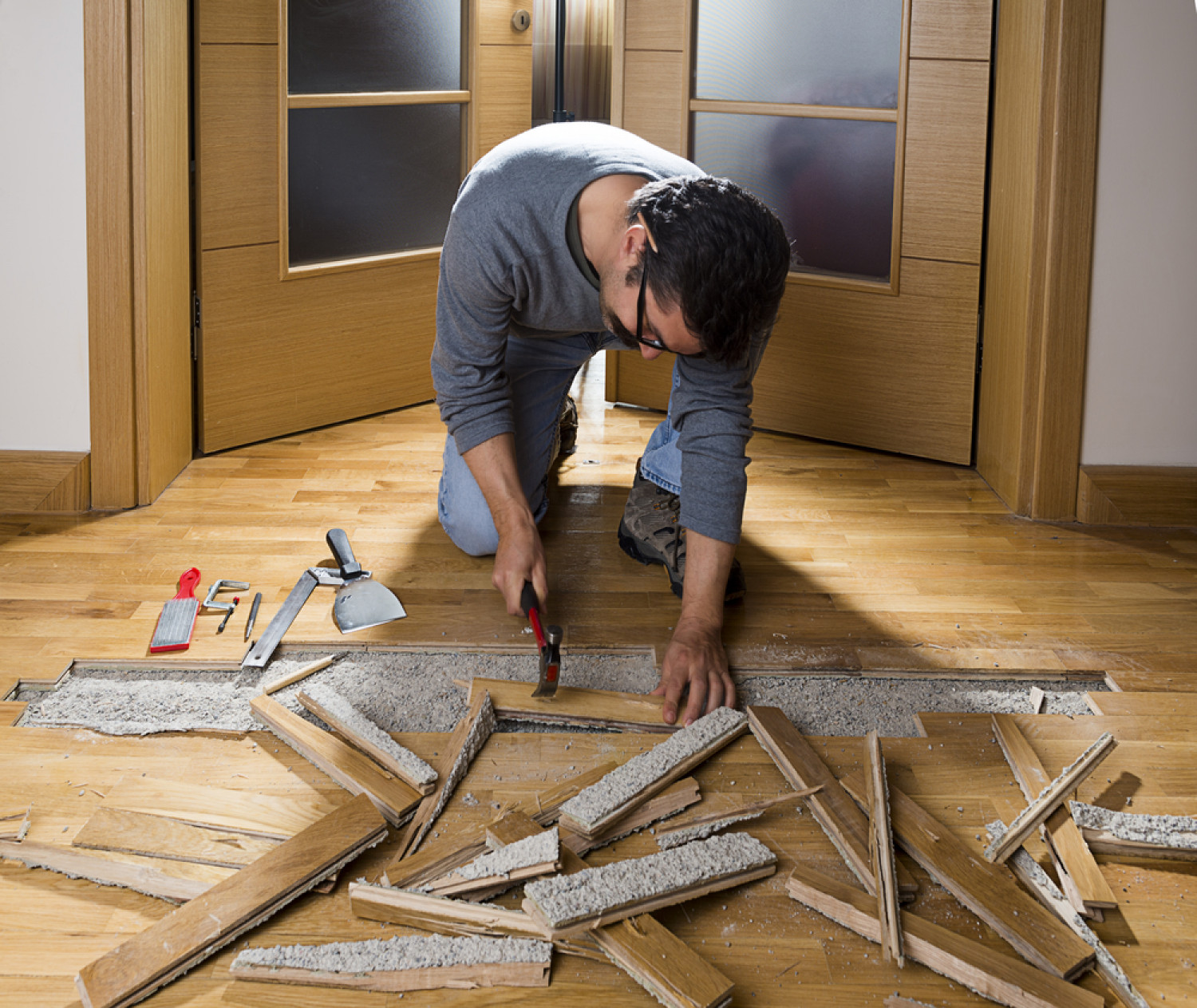
Not every restoration project requires tearing out an entire room. Sometimes only a particular section of drywall, flooring, or another building component needs to be removed. In Longmont, Erie, and Niwot, contained demolition can help property owners address damaged materials while limiting disruption to surrounding spaces. Contained demolition is planned removal of selected building materials within an isolated work area, using suitable controls to reduce the spread of dust and debris. It can be useful after water damage, during certain restoration projects, or when an interior area must be prepared for additional work.
What makes contained demolition different?
Conventional demolition may focus primarily on removing a structure or clearing an area. Contained demolition adds attention to boundaries, material condition, and the protection of nearby spaces. The goal is to remove what needs to come out while managing the effects of that work on the rest of the property.
A project might involve removing a damaged portion of drywall in a finished basement instead of stripping every wall. A commercial project might require separating the affected area from another part of the building. In either case, the scope and controls should be based on site conditions rather than simply the amount of material to be removed. Containment reduces migration risks but does not automatically make nearby spaces safe for occupancy.
When is selective removal necessary after damage?
Some building materials cannot be adequately dried or cleaned after a water loss. Others may need to be removed to allow access to affected cavities, insulation, or flooring assemblies. If smoke residues or other contamination have reached materials that cannot be restored, selective removal may also be appropriate.
The decision should follow an assessment of the building, including the extent of damage and potential hazards. Removing too little can leave inaccessible problems behind, while unnecessary removal can increase repair scope and cost. A restoration team can help identify which materials require attention and where the boundaries of the work area should be established.
How is the work area prepared?
Before removal begins, the team evaluates affected materials, access routes, adjacent rooms, and the location of utilities. A plan may include temporary barriers, protection of flooring, appropriate filtration, and controlled movement of debris. The details depend on the type of work and potential contaminants. Certain conditions require more specialized isolation or regulated procedures.
Older building materials may contain asbestos or lead, and damage can introduce additional hazards. The EPA recommends involving trained professionals when suspect hazardous materials may be disturbed during cleanup. If the project requires asbestos evaluation or abatement, those requirements must be addressed before general demolition proceeds. Structural or electrical hazards may require separate qualified specialists.
What happens during and after contained demolition?
During the work, selected materials are removed according to the agreed scope. Debris handling and disposal should be appropriate to the material involved. The team can reassess the newly accessible area as work progresses, because hidden damage may not be visible until a section has been opened. Changes to the original scope should be communicated to the property owner.
After removal, the exposed area may need additional drying, cleaning, or inspection. Containment should remain in place until the relevant work and any required verification are complete. The next stage might involve restoration, repair, or reconstruction by the appropriate contractor. A clean-looking space alone is not proof that every hazard or moisture issue has been resolved.
What should property owners ask before work starts?
Ask what materials are expected to be removed and why. Discuss how the work area will be separated, how debris will be managed, and whether any other inspections are required. If you plan to stay in the building, ask which areas may remain accessible and what restrictions apply during the project.
It is also helpful to clarify what happens if additional damage is discovered. A well-defined scope should explain how changes will be communicated, how completion will be evaluated, and which repairs fall outside the demolition service. This can help you coordinate with insurers, property managers, and the contractors handling the next phase.
Frequently asked questions
Does contained demolition eliminate all dust?
No. It is intended to manage dust migration through appropriate controls, but the required precautions depend on the materials and hazards involved.
Can I stay in my home during contained demolition?
Possibly, but it depends on the work, contamination, and access conditions. Follow the project-specific safety guidance provided by qualified professionals.
Is contained demolition the same as asbestos abatement?
No. Asbestos abatement involves specialized requirements. A contained demolition project may need abatement before or alongside other work if asbestos is present.