What to Expect from Professional Biohazard Cleanup in Aurora, CO
Understand how professional biohazard cleanup in Aurora, CO works, why specialized remediation matters, and how to arrange discreet property restoration help.
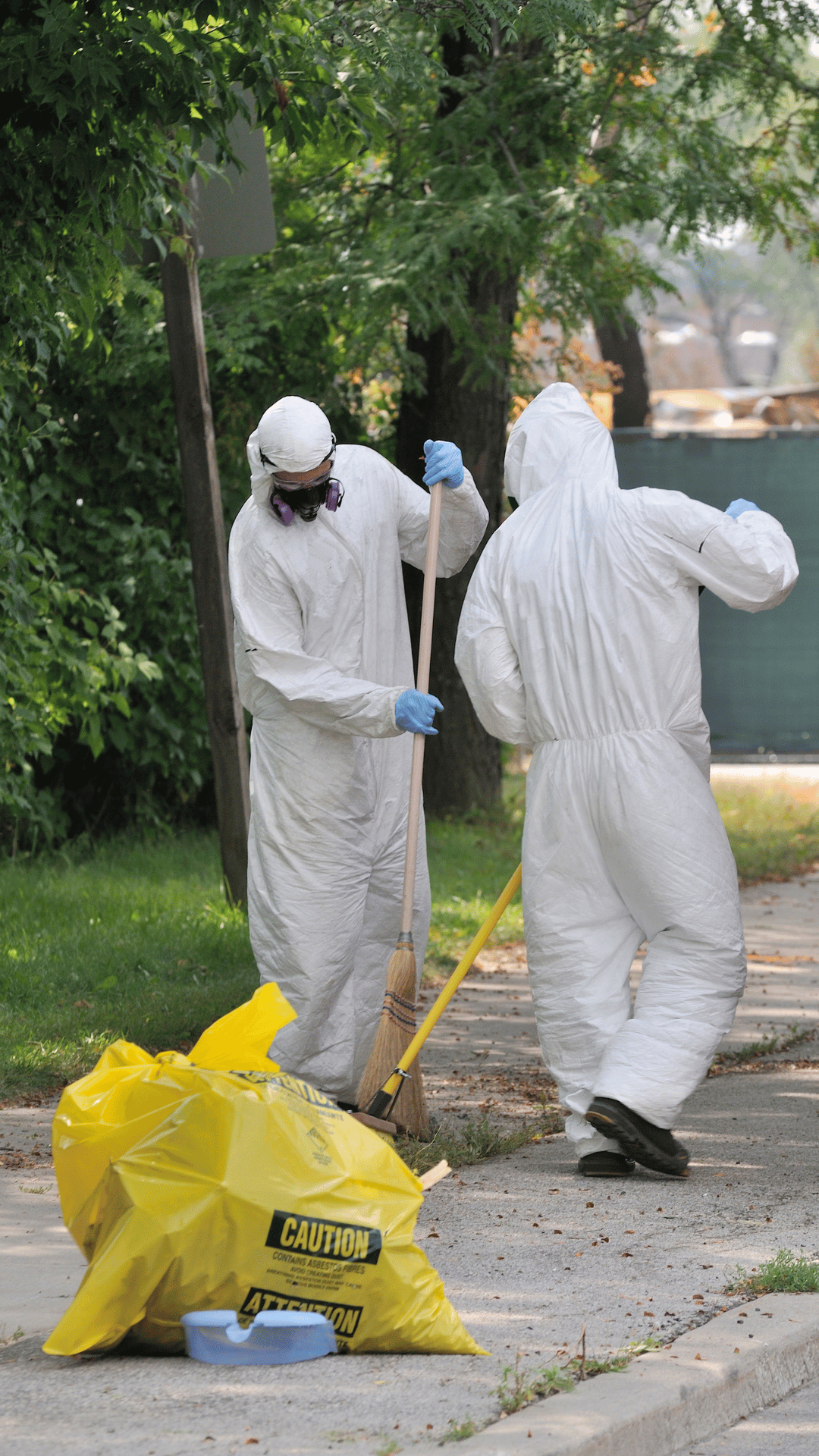
A serious incident in a home or commercial building can leave families and property managers facing unfamiliar decisions. In Aurora, Centennial, and Parker, specialized biohazard cleanup may be needed when blood, bodily fluids, or other potentially infectious materials have affected a property. Professional biohazard remediation focuses on assessing the affected area, controlling exposure, cleaning or removing contaminated materials, and handling waste appropriately. The priority is to protect people, respect privacy, and address the property conditions without placing an additional burden on those affected by the incident.
When should you arrange professional biohazard cleanup?
Specialized cleanup may be appropriate after a traumatic incident, an unattended death, or another event involving potentially infectious material. Ordinary household or janitorial cleaning may not be suitable in these circumstances. The affected area could include porous materials, flooring seams, furnishings, or surfaces that are not immediately visible.
If an emergency is still ongoing, call emergency services first. Do not enter an active scene or disturb anything that responders have instructed you to leave in place. When law enforcement or another authority is involved, wait until the property or affected area has been released before arranging cleanup. Keep other occupants and pets away from the area in the meantime.
Why routine cleaning may not be enough
Potentially infectious materials require precautions that differ from routine housekeeping. Contamination may extend into materials that cannot be adequately cleaned using ordinary surface products. Attempting to handle affected items without the right training can create unnecessary exposure and may spread contamination to additional areas.
A professional team evaluates the type and extent of contamination before selecting the remediation approach. The material itself matters: a sealed, nonporous surface may require different treatment from carpet padding or other absorbent building materials. Avoid attempting to scrub, vacuum, or remove potentially contaminated materials before obtaining professional guidance.
What does a biohazard remediation project involve?
The initial assessment helps establish the affected area and the conditions that must be addressed. Professionals may isolate the work area and use appropriate personal protective equipment and exposure-control measures. The scope should reflect the type of contamination, the surfaces involved, and any applicable requirements for handling and disposal.
Depending on the conditions, the work may involve specialized cleaning, disinfection, removal of affected materials, and odor mitigation. If building materials must be removed, the property owner should be informed about the resulting repair needs. The team should explain what is included in the cleanup and what separate work may be required before the area can be returned to use.
How privacy and communication support recovery
Families and occupants may not want to discuss the details of the incident with multiple people. A respectful cleanup provider should collect the information needed to plan the work without asking for unnecessary personal details. It is helpful to identify one authorized contact who can make decisions, receive updates, and coordinate access to the property.
For a rental or commercial property, the owner or manager should clarify who is authorized to approve work and how affected areas will remain restricted. Respect the privacy of individuals involved, and avoid distributing photographs or incident details beyond those who need them for legitimate purposes. Communication should focus on the property's condition and the cleanup scope.
What should you ask before cleanup begins?
Ask whether the provider handles the particular type of contamination involved and how the team will determine the affected area. Discuss access restrictions, material removal, waste handling, and the anticipated conditions for returning to the space. If the project involves a rental unit or business premises, clarify how neighboring occupants will be protected during the work.
If you plan to submit an insurance claim, ask your insurer about the relevant policy and documentation requirements. Coverage depends on the circumstances and terms of the policy. You can also ask the cleanup provider for a written scope describing the work performed and any remaining repair needs. Avoid assuming that cleanup alone resolves unrelated structural or safety concerns.
Frequently asked questions
Do police or emergency responders clean the property after an incident?
Their responsibilities generally focus on emergency response, investigation, or medical care. Property cleanup is usually arranged separately after the area has been released by the appropriate authority.
Can affected belongings be saved?
Some materials may be suitable for professional cleaning, while others may need to be removed. The decision depends on contamination, material condition, and safety considerations.
Can occupants return while cleanup is underway?
Access depends on the property's conditions and the established work area. Follow the restrictions provided by the responding authorities and remediation professionals.